Photography Tips for Annapurna Base Camp Trek
- soleencounters
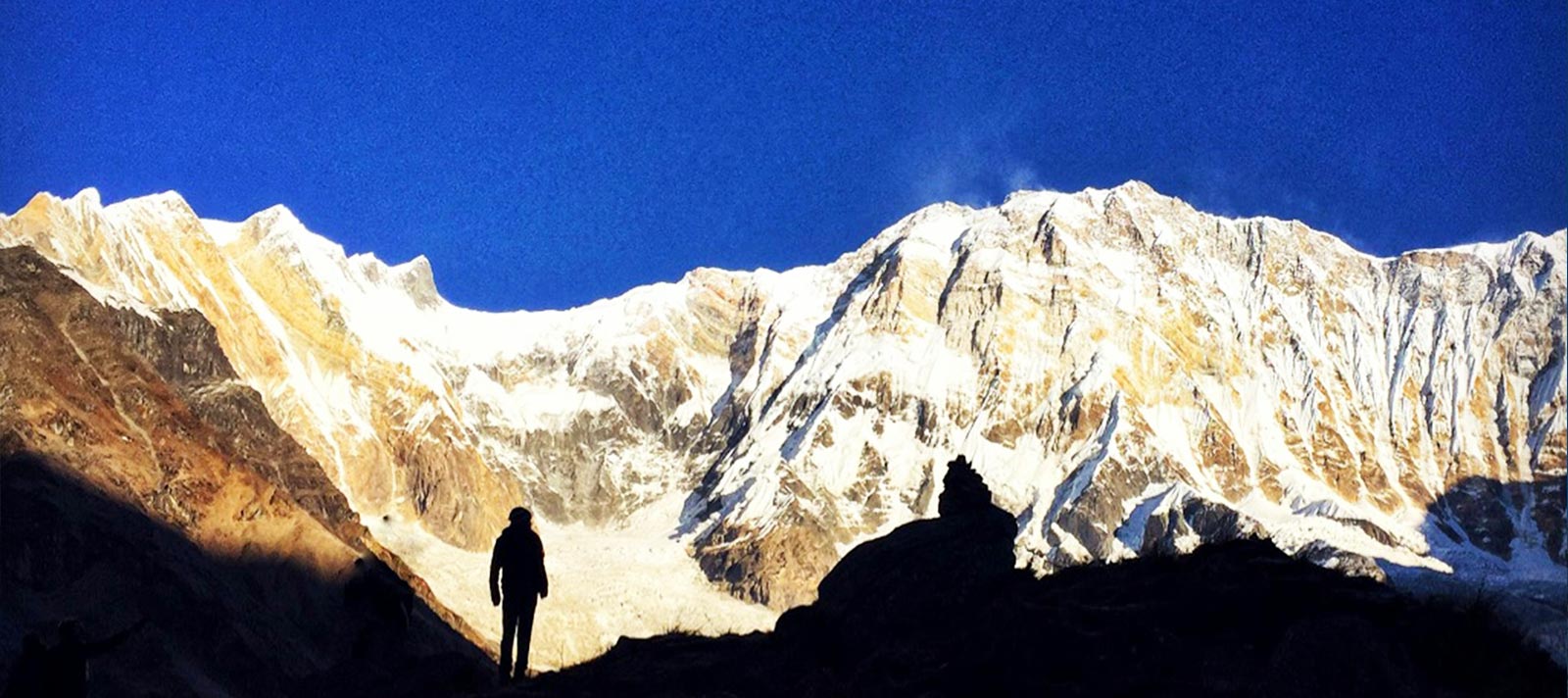
The Annapurna Base Camp Trek offers one of the most spectacular natural canvases for photographers. With towering snow-capped peaks, vibrant rhododendron forests, traditional villages, and dramatic landscapes, this trek is a paradise for capturing the essence of the Himalayas. Whether you are a professional photographer or an enthusiastic trekker with a camera, knowing how to photograph the diverse scenes along the trail will elevate your experience and preserve unforgettable memories.
Table of Contents
This guide provides practical and expert photography tips tailored for the Annapurna Base Camp Trek, helping you maximize your shots by understanding equipment, timing, composition, and environmental challenges. With these insights, you can create a stunning visual story of your Himalayan journey.
For detailed trek planning, visit our Annapurna Base Camp Trek page.
Introduction: Why Photography Matters on the Annapurna Base Camp Trek
The Annapurna region is famous worldwide for its breathtaking scenery, including Annapurna I, Machapuchare (Fishtail), and other majestic peaks that surround the base camp. Photography on this trek is not just about landscapes; it’s about capturing the spirit of the mountains, the warmth of local communities, and the intimate moments of adventure.
Capturing high-quality images requires preparation, patience, and knowledge of local light conditions and terrain. From the first steps at Nayapul to the panoramic summit views, each location offers unique photographic opportunities.
Essential Photography Gear for the Annapurna Base Camp Trek
Packing the right gear is the first step to successful photography in the Himalayas.
-
Camera: A DSLR or mirrorless camera is ideal for professional results, but advanced smartphones can also capture excellent images.
-
Lenses: A wide-angle lens (16-35mm) is perfect for landscapes; a telephoto lens (70-200mm) helps capture distant peaks and wildlife.
-
Tripod: Essential for steady shots, especially in low light or for time-lapses.
-
Extra Batteries & Memory Cards: Cold temperatures drain batteries quickly, so carry spares. Also, pack ample memory cards.
-
Protective Gear: Use weatherproof camera bags and lens cloths to protect equipment from dust, moisture, and cold.
-
Filters: Polarizing filters help reduce glare and enhance sky contrast.
Best Times for Photography on the Annapurna Base Camp Trek
Lighting is critical in mountain photography. The best times for capturing stunning images are:
-
Golden Hours: Early mornings and late afternoons provide soft, warm light and long shadows, perfect for landscapes and village scenes.
-
Clear Weather: Autumn (September to November) and spring (March to May) offer clear skies with crisp mountain visibility.
-
Sunrise at Annapurna Base Camp: Capture the sunrise lighting up Annapurna’s peaks with vivid colors.
-
Sunset Views: Look for views of Machapuchare and Annapurna South glowing in the evening light.
-
After Rain: The atmosphere is fresh, with clouds clearing to reveal dramatic skies and saturated colors.
Composition and Techniques for Capturing the Himalayas
-
Use Leading Lines: Trails, rivers, and bridges make excellent leading lines to guide the viewer’s eye through the photo.
-
Foreground Interest: Include elements like prayer flags, yak caravans, or local flowers to add depth.
-
Rule of Thirds: Position key features off-center for balanced and dynamic compositions.
-
Capture Human Element: Photograph local people and trekkers to convey the human story in the mountains.
-
Panorama Shots: Use panorama mode or stitch multiple images to capture wide mountain ranges.
-
Play with Perspectives: Shoot from low angles or high vantage points to create unique views.
-
Adjust Exposure: Snow can confuse camera meters, so use exposure compensation to avoid underexposed peaks.
Overcoming Environmental Challenges in Mountain Photography
-
Cold Weather: Cold affects batteries and lens operation—keep batteries warm in your jacket and avoid lens fog by acclimating your gear slowly to temperature changes.
-
High Altitude: Thin air can cause fatigue—plan shoots when you are well-rested.
-
Strong Sunlight: Use lens hoods and filters to minimize lens flare.
-
Changing Weather: Always be ready for sudden changes; carry protective gear to safeguard your equipment.
Capturing Local Culture and Village Life
The Annapurna trek passes through traditional Gurung and Magar villages, rich in culture and history. Capture:
-
Local architecture, such as stone houses and prayer wheels.
-
Daily life scenes—farmers working, children playing, or villagers preparing meals.
-
Festivals or religious rituals if your trek coincides with local events.
-
Warm interactions with locals add authenticity and emotion to your portfolio.
Recommended Photography Spots Along the Annapurna Base Camp Trek
-
Ghandruk Village: For panoramic mountain backdrops and cultural portraits.
-
Chhomrong: Dramatic views of Machapuchare combined with village life.
-
Deurali and Bamboo: Forest trails and rhododendron blooms.
-
Machapuchare Base Camp: Close-up views of the “Fishtail” peak.
-
Annapurna Base Camp: Iconic sunrise and sunset mountain vistas.
Post-Processing and Sharing Your Trek Photos
Editing your photos can enhance color balance, contrast, and sharpness. Use software like Adobe Lightroom or Capture One to:
-
Adjust highlights and shadows to reveal details.
-
Correct white balance for natural color tones.
-
Crop and straighten for better composition.
-
Export images optimized for web or print.
Sharing your images on social platforms or blogs can inspire others and preserve your trek memories.
Conclusion
Photography on the Annapurna Base Camp Trek is a rewarding way to document your Himalayan adventure. With the right gear, understanding of light and composition, and respect for the environment and culture, you can capture stunning images that tell the story of this remarkable journey.
For more information on planning your Annapurna trek and expert support, visit our Annapurna Base Camp Trek page. If you need personalized advice on trekking or photography logistics, feel free to Contact Us or Talk to Our Experts.
Capture the magic of the Himalayas with confidence and creativity on your next trek.
Recent Posts
.jpg)
3rd Jul, 2025
.jpg)
4th Jul, 2025
.jpg)
4th Jul, 2025
.jpg)
7th Jul, 2025
.jpg)
8th Jul, 2025
.jpg)
8th Jul, 2025
.jpg)
8th Jul, 2025

10th Jul, 2025